Oklahoma City Open Data
Infrastructure
Bulky Waste Zones
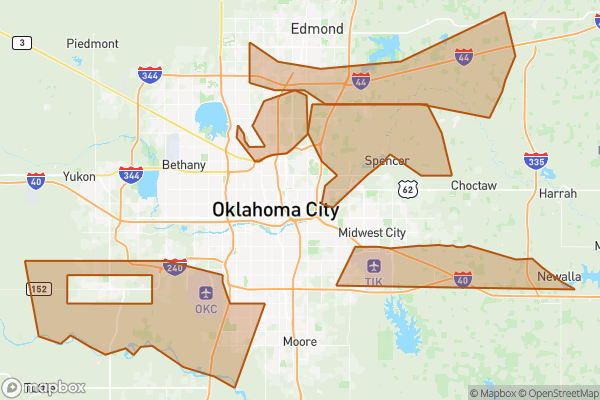
This dataset shows where and when bulky waste (like furniture or appliances) gets picked up in Oklahoma City
Source city: Oklahoma City · Catalog date: June 9, 2026 · License: custom
What this is
This dataset shows where and when bulky waste (like furniture or appliances) gets picked up in Oklahoma City.
Why it matters to you
If you need to toss a couch, mattress, or other large item, this data tells you:
- Which day to put it out for collection
- Who’ll actually pick it up (city crew or private contractor)
- Whether your address falls in a service zone
Putting items out on the wrong day could mean they sit for weeks or you get fined.
How to read this data
Key details in the dataset:
- Route: The zone name (like “NW1”) for your area.
- Pickup Day: When crews typically collect (e.g., “1st Monday of month”).
- Service Provider: Whether it’s the city or a company like “Waste Management”.
Try it yourself
- Open the map version (if available).
- Type your address to see your zone’s pickup day and provider.
- Mark your calendar so you don’t miss the next collection.
(Word count: 180)
The fields, explained
Pulled directly from the source catalog's published field definitions — not paraphrased.
| Field | What it means |
|---|
ObjectID | Numeric unique identifier with no special meaning |
Route | Alphanumeric name of pickup route |
Pickup Day | Day of week/month that route normally runs |
Service Provider | Name of entity providing actually service |
Shape | Geographic data in state plane coordinates (WKID 103512) |
Area | Approximate area of feature in US square feet |
Length | Approximate length of perimeter of feature in US feet |
From the source — real records
Unedited rows from Oklahoma City's published service, pulled when this site was built.
Look it up yourself
Everything on this page comes from the city's public open-data catalog. Anyone can download it — CSV, GeoJSON, KML, or the live service.
This explainer was written from the published catalog record. Always verify against the source dataset before relying on it for a decision.